
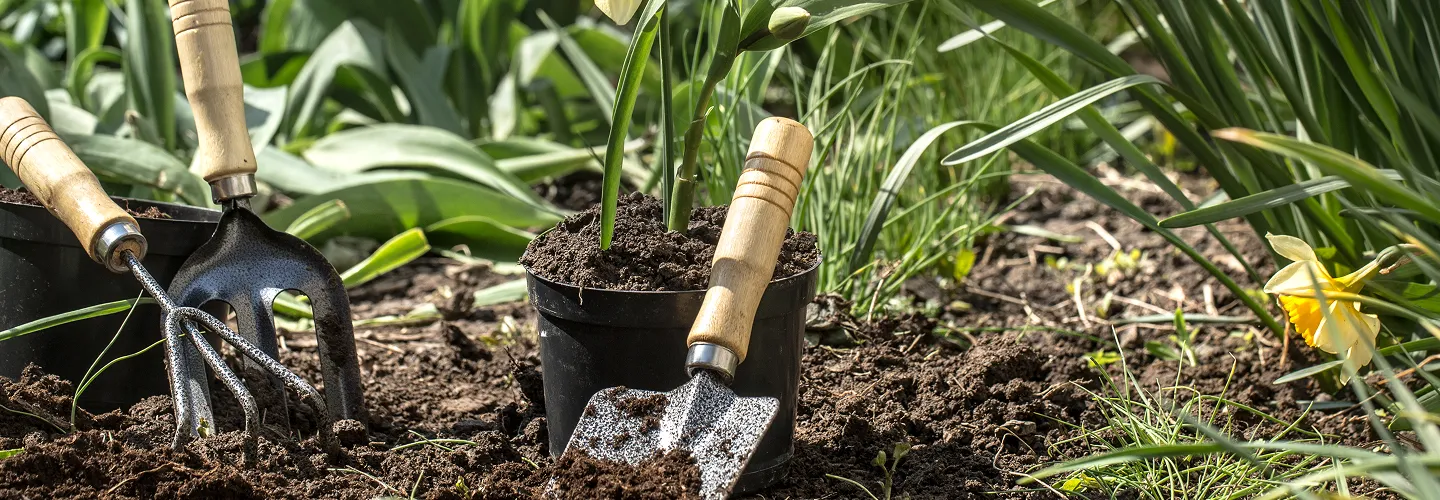
St. Pete Beach Lawn Grubs Control Services
Choose our Lawn Grubs Control for proven, eco-friendly treatments that safeguard your grass, restore your yard’s health, and keep your outdoor space beautiful all year long.
Get a Free QuoteOur St. Pete Beach Landscaping & Yard Care Services
When to Schedule Lawn Grubs Control in St. Pete Beach, Florida – Seasonal Guide
In St. Pete Beach, Florida, timing your lawn grubs control is crucial for maintaining a healthy, vibrant yard. The subtropical climate, with its warm temperatures and high humidity, creates an ideal environment for grubs to thrive—especially from late spring through early fall. Local neighborhoods like Pass-a-Grille and Belle Vista often see increased grub activity after the last frost date in early February, when soil temperatures begin to rise and grubs become more active beneath the surface.
Optimal treatment windows typically fall between late spring and early summer, just before grubs hatch and start feeding on grassroots. However, factors such as the sandy soils near Upham Beach, varying shade coverage from mature palms, and the risk of drought during late summer can all influence the best time for application. Homeowners should also be aware of municipal guidelines and local watering restrictions, which can impact both the timing and effectiveness of grub control treatments. For more information on local regulations, visit the official city resource.
Local Factors to Consider for Lawn Grubs Control in St. Pete Beach
- Tree density and shade coverage, especially in areas like Belle Vista
- Soil type (sandy soils near the coastline vs. denser inland soils)
- Seasonal precipitation and drought risk
- Proximity to landmarks such as Upham Beach or Pass-a-Grille
- Municipal watering restrictions and pesticide application guidelines
- Terrain and drainage patterns unique to your neighborhood
Benefits of Lawn Grubs Control in St. Pete Beach
Effective Grub Elimination
Healthier, Greener Lawns
Eco-Friendly Treatment Options
Experienced Local Professionals
Customized Lawn Care Plans
Prevention of Future Infestations
St. Pete Beach Lawn Grubs Control Types

Preventative Grub Treatments
-
Curative Grub Control Applications
-
Organic Grub Management
-
Biological Grub Control
-
Seasonal Grub Monitoring
-
Integrated Pest Management for Grubs
-
Customized Lawn Grub Solutions
Our Lawn Grubs Control Process
Inspection and Identification
Customized Treatment Plan
Targeted Application
Monitoring and Follow-Up
Why Choose St. Pete Beach Landscape Services
St. Pete Beach Homeowners Trust Us
-
Local Landscaping Expertise
-
Reliable Lawn Maintenance
-
Competitive Pricing
-
Professional Team
-
Satisfaction Guarantee
-
Personalized Service
-
Prompt Response Times
Coordinating Lawn Grubs Control with St. Pete Beach’s Stormwater and Environmental Programs
Effective lawn grubs control in St. Pete Beach requires careful coordination with municipal stormwater and environmental protection efforts. The city’s proximity to the Gulf Coast and its extensive canal and swale systems mean that any pesticide application must be managed to prevent runoff into sensitive waterways. Residents and property managers are expected to follow city guidance on the timing and method of lawn treatments, especially near drainage inlets and waterfronts. The city’s Save Our Waters Program provides resources on pollution prevention and water quality protection, emphasizing the importance of keeping all lawn care products, including grub control agents, out of storm drains and canals. For operational questions or to report concerns about runoff or improper application, residents should consult the city’s environmental programs.
- Always check for active municipal advisories before scheduling grub treatments, especially during the wet season.
- Maintain buffer zones around swales, canals, and storm drains when applying any lawn care products.
- Use only licensed professionals for chemical applications near sensitive areas.
St. Pete Beach Save Our Waters Program
155 Corey Avenue, St. Pete Beach, FL 33706
Official Website: St. Pete Beach Save Our Waters Program
How St. Pete Beach’s Coastal Conditions Shape Lawn Grubs Control Strategies
St. Pete Beach is classified as Gulf Coast Florida, with a subtropical coastal climate, high humidity, and sandy soils that drain quickly but are prone to nutrient leaching. The city’s USDA Hardiness Zone is 10a, supporting warm-season turfgrasses such as St. Augustinegrass and zoysiagrass, which are susceptible to grub infestations. Key local conditions affecting grub management include:
- Sandy, fill-based soils that allow rapid movement of water and chemicals, increasing the risk of runoff into canals and swales.
- High water table and frequent summer rainfall, which can dilute or move pesticides away from target zones if not timed properly.
- Salt exposure near the coast, which can stress turf and make it more vulnerable to pest outbreaks.
These factors require residents to select grub control products and application methods that are compatible with local soils and weather patterns, and to avoid treatments immediately before heavy rain events. For more on local soil profiles, consult the USDA Web Soil Survey.
Regulatory Requirements and Environmental Compliance for Lawn Grubs Control in St. Pete Beach
Lawn grubs control in St. Pete Beach is governed by both municipal and state regulations. The Florida Department of Agriculture and Consumer Services (FDACS) requires that any commercial application of pesticides, including grub control products, be performed by a licensed applicator. Residents should verify that any hired professional holds a valid FDACS pesticide applicator license. The city also enforces code compliance related to property maintenance and environmental protection, particularly regarding runoff and chemical use near water bodies. The Florida DEP NPDES Stormwater Program provides additional guidance on preventing stormwater pollution from lawn care activities.
- Only use products labeled for residential turf and follow all label instructions.
- Avoid applying grub control chemicals within buffer zones adjacent to canals, swales, or storm drains.
- Report any suspected code violations or improper chemical use to the city’s code enforcement department.
St. Pete Beach Code Enforcement Department
155 Corey Avenue, St. Pete Beach, FL 33706
Official Website: St. Pete Beach Code Enforcement Department
Professional Methods and Timing for Lawn Grubs Control in St. Pete Beach’s Climate
Professional standards for lawn grubs control in St. Pete Beach emphasize integrated pest management (IPM), correct pest identification, and runoff-safe application. According to UF/IFAS Gardening Solutions, the optimal timing for grub treatments in Gulf Coast Florida is late spring through early summer, when larvae are small and most susceptible. Key professional practices include:
- Monitoring turf for signs of grub activity, such as irregular brown patches and increased wildlife foraging.
- Applying grub control products during periods of active larval feeding, avoiding application before forecasted heavy rains.
- Watering in systemic treatments lightly to move the product into the root zone, but not to the point of runoff.
- Using non-chemical methods, such as encouraging beneficial nematodes, where feasible.
For additional guidance on safe application and timing, refer to the FDACS Pesticide Applicator Certification and Licensing page.
St. Pete Beach Community Development Department
155 Corey Avenue, St. Pete Beach, FL 33706
Official Website: St. Pete Beach Community Development Department
What Neighborhoods Do We Serve Throughout St. Pete Beach, FL?
- Belle Vista This area features mature landscaping and a network of canals, requiring careful grub control to protect water quality.
- Pass-a-Grille Beach Coastal exposure and sandy soils make turf here more vulnerable to both salt stress and pest outbreaks.
- Vina Del Mar Island With larger lots and extensive irrigation, this neighborhood benefits from tailored grub management and runoff precautions.
- Three Palms Point Waterfront properties and high water tables demand precise application to avoid chemical movement into adjacent waterways.
- Don Ce-Sar Place Older lots with established shade trees require monitoring for grub activity in both sun and partial shade conditions.
- Lido Beach Proximity to the Gulf and compacted fill soils influence both turf health and the effectiveness of grub treatments.
- Brightwater Canal adjacency and mixed drainage patterns necessitate strict adherence to buffer zones and environmental compliance.