
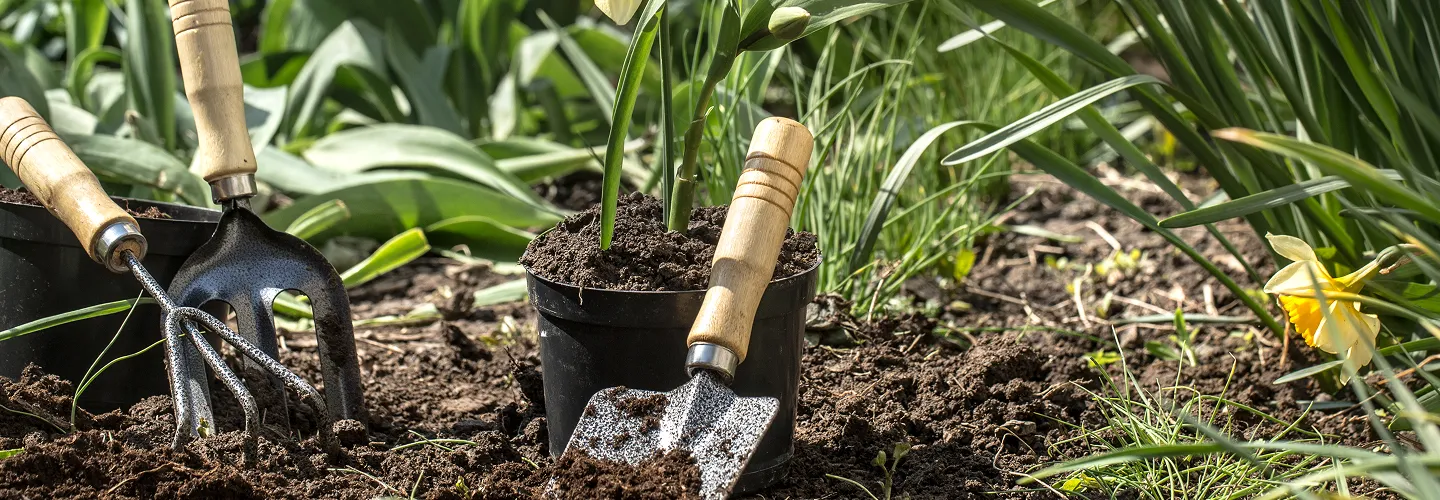
St. Pete Beach Lawn Leveling Services
Choose our expert lawn leveling services for a smoother, healthier yard that enhances curb appeal, prevents drainage issues, and creates the ideal foundation for outdoor enjoyment.
Get a Free QuoteOur St. Pete Beach Landscaping & Yard Care Services
When to Schedule Lawn Leveling in St. Pete Beach, Florida – Seasonal Guide
In St. Pete Beach, Florida, the best time to schedule lawn leveling is typically during the late spring or early fall. These seasons offer moderate temperatures and consistent rainfall, which help newly leveled lawns recover quickly and establish healthy growth. The subtropical climate of St. Pete Beach means that summers can be hot and humid, while winters are generally mild with minimal frost risk. Timing your lawn leveling project to avoid the peak summer heat and the rare but possible winter cold snaps ensures optimal results.
Local environmental factors play a significant role in determining the right time for lawn leveling. For example, neighborhoods near Upham Beach or Pass-a-Grille often experience higher humidity and salt exposure, which can affect soil compaction and grass health. Areas with dense shade from mature palms or oaks, such as those around Corey Avenue, may require special consideration for soil moisture and drainage. It's also important to be aware of municipal guidelines and seasonal water restrictions, which you can find on the city's official website.
Local Factors to Consider for Lawn Leveling in St. Pete Beach
- Tree density and shade coverage
- Soil type and drainage characteristics
- Proximity to saltwater or high humidity zones
- Seasonal precipitation patterns
- Terrain slope and elevation
- Municipal restrictions or watering schedules
Benefits of Lawn Leveling in St. Pete Beach

Enhanced Curb Appeal
Improved Lawn Health
Safer Outdoor Spaces
Efficient Water Drainage
Professional Expertise
Long-Lasting Results
St. Pete Beach Lawn Leveling Types

Topdressing Lawn Leveling
-
Sand Leveling
-
Soil Amendment Leveling
-
Sod Replacement Leveling
-
Grading and Sloping
-
Aeration and Leveling
-
Compost Blending Leveling
Our Lawn Leveling Process
Site Evaluation
Soil Preparation
Leveling Application
Compaction
Final Inspection
Why Choose St. Pete Beach Landscape Services
St. Pete Beach Homeowners Trust Us
-
Local Landscaping Expertise
-
Reliable Lawn Maintenance
-
Competitive Pricing
-
Professional Team
-
Satisfaction Guarantee
-
Personalized Service
-
Prompt Response Times
Coordinating Lawn Leveling Projects with St. Pete Beach’s Community Development Department
Lawn leveling in St. Pete Beach often requires coordination with the Community Development Department, especially when work may alter drainage patterns or affect public rights-of-way. Residents and property managers should be aware that any significant grading or re-contouring of a lawn—particularly in areas adjacent to swales, storm drains, or canals—may require review to ensure compliance with city codes and to prevent unintended runoff impacts. The department can provide guidance on whether a permit or site plan review is necessary, and can clarify requirements for maintaining proper drainage away from structures and toward approved outlets. For projects involving substantial soil movement or changes to established grades, early consultation is recommended to avoid delays or compliance issues. Routine minor leveling for turf health typically does not trigger formal review, but any work near public infrastructure or water features should be discussed with city staff.
St. Pete Beach Community Development Department
155 Corey Avenue, St. Pete Beach, FL 33706
Phone: 727-363-9266
Official Website: St. Pete Beach Community Development Department
How St. Pete Beach’s Coastal Conditions Shape Lawn Leveling Needs
St. Pete Beach is classified as Gulf Coast Florida, with a subtropical coastal climate, high humidity, and sandy soils that drain quickly but are prone to settlement and erosion. The city’s proximity to the Gulf of Mexico means lawns are exposed to salt spray, especially in waterfront areas, which can affect turf vigor and soil structure. Key local conditions influencing lawn leveling include:
- Sandy, fill-based soils that may settle unevenly, especially in newer subdivisions or after heavy rainfall
- High water table and rapid drainage, requiring careful grading to prevent ponding or runoff toward structures
- Salt exposure and wind, which can thin turf and create low spots needing periodic correction
These factors make it essential to use materials and methods suited to coastal Florida, such as clean sand or sandy topsoil for leveling, and to monitor for signs of uneven settlement after storms or irrigation events. The USDA Web Soil Survey and USDA Plant Hardiness Zone Map provide additional context for selecting turf species and understanding soil behavior in this region.
Regulatory Requirements and Environmental Compliance for Lawn Leveling in St. Pete Beach
Lawn leveling activities in St. Pete Beach are subject to both municipal and state-level regulations designed to protect drainage systems and water quality. The city may require permits or review for grading work that alters established drainage, especially near swales, canals, or stormwater inlets. The St. Pete Beach Code Enforcement Department oversees compliance with property maintenance and site alteration codes, while the Florida DEP NPDES Stormwater Program sets standards for preventing sediment and nutrient runoff into local waterways. Key compliance points include:
- Avoiding the placement of soil, sand, or debris in swales, storm drains, or canal edges
- Ensuring that re-graded areas do not direct runoff onto neighboring properties or public rights-of-way
- Using only clean, weed-free fill materials to prevent the introduction of invasive species
For projects near sensitive water features, additional review or erosion control measures may be required. Residents should verify current requirements with the Community Development Department before beginning substantial leveling work.
St. Pete Beach Code Enforcement Department
155 Corey Avenue, St. Pete Beach, FL 33706
Phone: 727-363-9243
Official Website: St. Pete Beach Code Enforcement Department
Professional Lawn Leveling Methods and Seasonal Timing in St. Pete Beach
Effective lawn leveling in St. Pete Beach relies on methods adapted to the city’s sandy soils, high humidity, and warm-season turf species such as St. Augustinegrass and zoysiagrass. Professional standards emphasize:
- Leveling during active turf growth (typically late spring through early fall) to promote rapid recovery
- Using clean, screened sand or a sand-soil blend compatible with existing site conditions
- Applying thin layers (commonly less than 0.5 inch at a time) to avoid smothering turf
- Monitoring for low spots after heavy rain or irrigation, as sandy soils may settle unpredictably
- Avoiding leveling during the wettest months if possible, to reduce the risk of washout or runoff
For additional technical guidance, the UF/IFAS Gardening Solutions - Lawns resource provides region-specific recommendations for turf care and site preparation. It is also important to keep all leveling materials away from storm drains and canal edges to comply with Clean Water Act requirements.
What Neighborhoods Do We Serve Throughout St. Pete Beach, FL?
- Belle Vista This area features a mix of older and newer homes, with fill-based lots and proximity to canals requiring careful drainage management during lawn leveling.
- Pass-a-Grille Beach Coastal exposure and smaller lot sizes mean salt spray and wind can create uneven turf, making periodic leveling important for turf health.
- Vina Del Mar Island Waterfront lots and mature landscaping present unique challenges for grading and runoff control, especially near seawalls and docks.
- Three Palms Point Larger lots and established trees create shade patterns and root competition, influencing where and how leveling is performed.
- Don Ce-Sar Place This neighborhood’s proximity to the Gulf and high water table require attention to soil selection and drainage flow during any re-grading work.
- Lido Beach Urban density and limited access can affect equipment use and material delivery for leveling projects, especially in areas with narrow rights-of-way.
- Brightwater Beach Estates Canal adjacency and newer subdivision fill soils often lead to settlement issues, making ongoing monitoring and minor leveling a routine need.